




There is a subtle shift in the way people make everyday choices. It is no longer just about whether a product is good for oneself, but increasingly about a deeper question: what impact does that choice have on the environment and the broader community?
A cup of coffee, in this sense, is no longer just a personal experience. It represents a chain of interconnected decisions — from sourcing raw materials to production methods, and ultimately how the product is consumed. Within that chain, even the smallest decision contributes to the overall value it creates.At K7 CAPHE, this begins with clarity in sourcing. Arabica beans are selected from Lam Dong and Khe Sanh, regions known for their favorable climate and soil conditions, producing a clean, bright, and nuanced flavor profile. Robusta from Dak Lak brings a fuller body, helping to create balance and structure. This combination is not designed to complicate, but to preserve the defining characteristics of Vietnamese coffee in a way that feels honest and consistent. Yet raw material quality is only the starting point. What ultimately defines the experience is how the coffee is processed afterward.
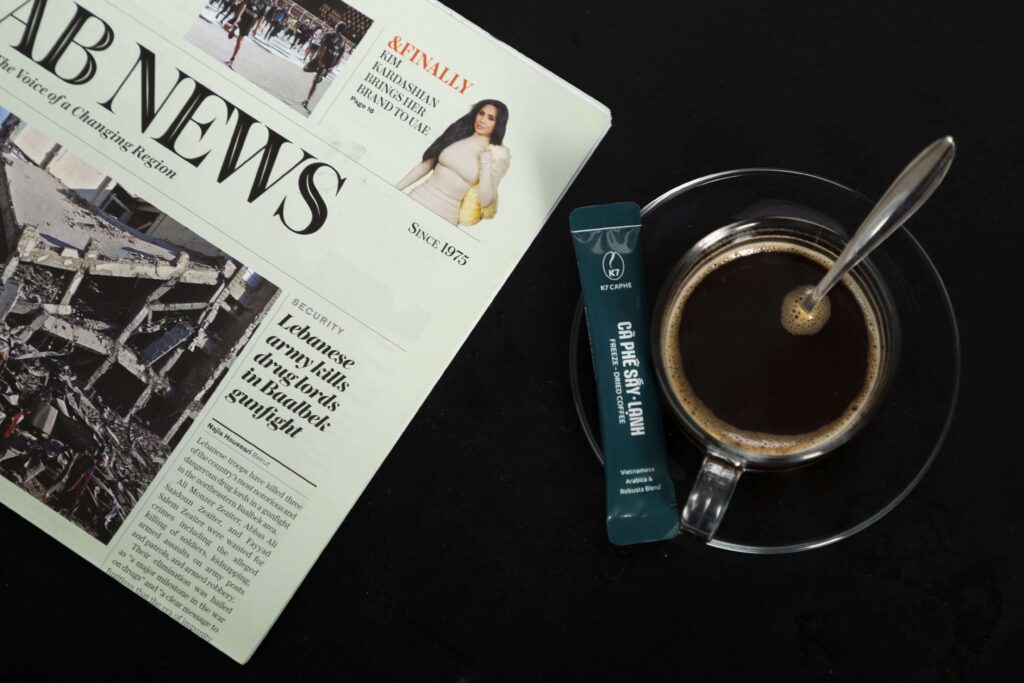
K7 CAPHE adopts freeze-drying technology – a method that requires high precision but offers long-term sustainable advantages. After extraction, the coffee is rapidly frozen at temperatures between –40°C and –50°C, transforming the water content into ice crystals without disrupting the natural structure of aroma and flavor compounds. This is followed by the sublimation phase under vacuum conditions, where ice transitions directly from solid to vapor without passing through a liquid state. This gentle removal of moisture minimizes thermal stress on sensitive components such as organic acids, natural oils, and aromatic compounds. The result is a form of coffee that preserves much of its original identity — clarity in aroma, cleanliness in taste, and a balanced structure. At the same time, avoiding high heat helps retain beneficial natural compounds such as polyphenols and antioxidants, contributing to the intrinsic value of the coffee.
From an environmental perspective, this process also enables more efficient resource management. In modern systems, the vapor released during sublimation can be captured and reused, reducing overall water consumption. Precise control of temperature and pressure also helps minimize energy waste over time, compared to faster but more resource-intensive methods. Sustainability, however, is not defined by a single technology. It is reflected in how the entire system operates responsibly from transparent sourcing and working with certified manufacturing partners, to maintaining consistent, traceable production processes.
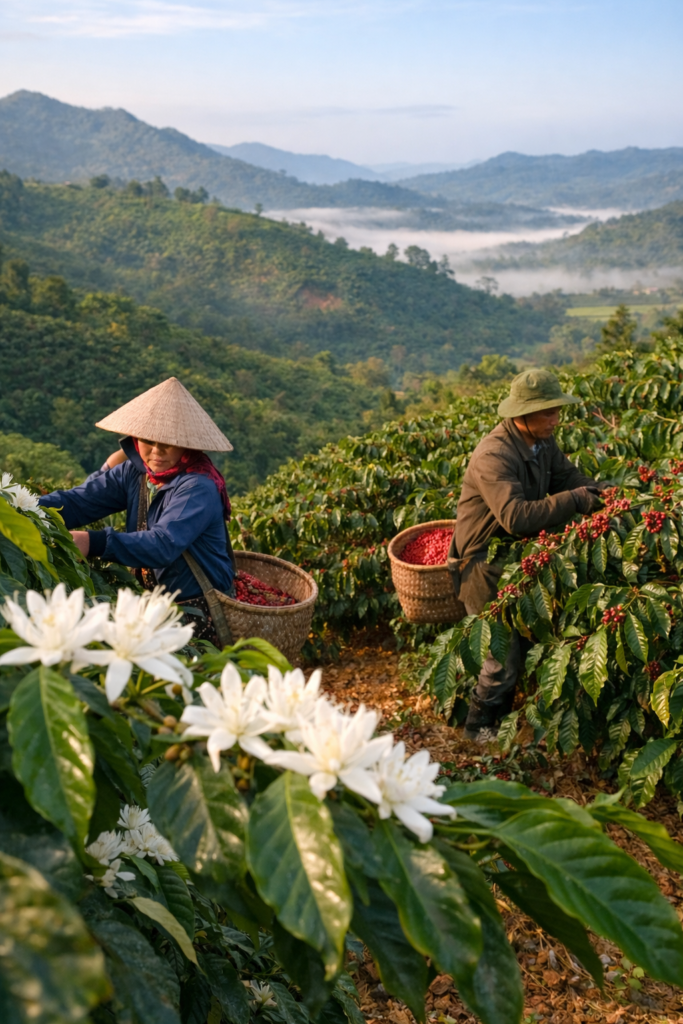
At K7 CAPHE, collaborating with internationally certified manufacturing facilities is not only about ensuring quality, but also part of a broader ESG approach where environmental considerations, operational discipline, and responsibility to consumers are viewed as an integrated whole. Without the need for grand statements, sustainability often reveals itself through deliberate choices: choosing processes that reduce impact, preserving the natural integrity of the product, and building trust through transparency.
And perhaps, in a world that moves faster every day, sustainability is no longer an abstract ideal.
It becomes a way to preserve what truly matters — steadily, and with intention.
Are you ready to upgrade your coffee experience?
- For domestic customers, shop directly on our website or via our e-commerce store: https://vn.shp.ee/NgQu1DnN
- For international customers, please contact us at: https://k7caphe.com/contact/
